
Maternal and Child Nutrition and Health
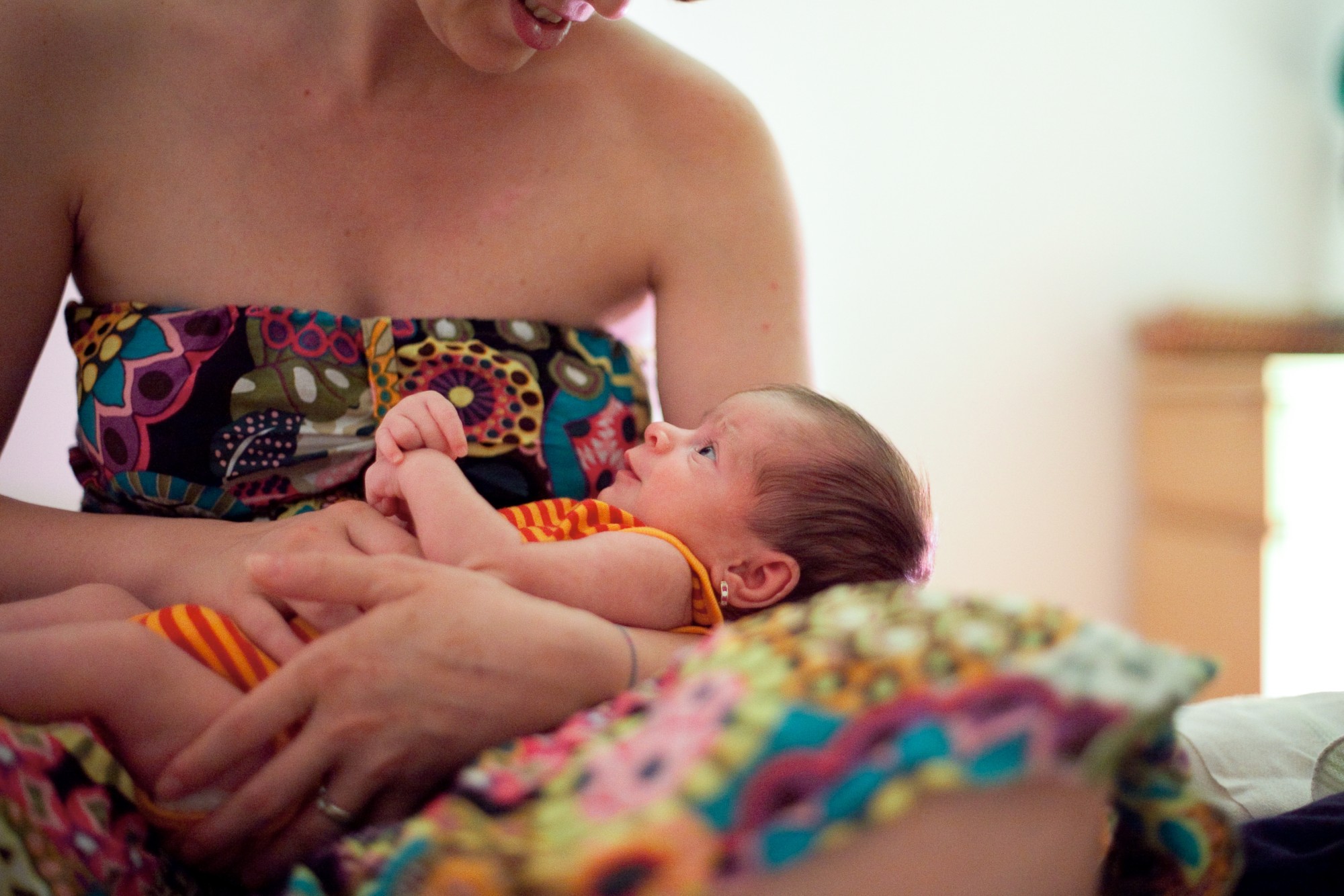
The optimal infant feeding practice is breastfeeding. Breast milk not only has macro and micronutrients that support a child’s growth and health, but it also has non-nutritive components that support the child’s immune system. Breastfeeding also has several health benefits for women, and it is environmentally friendly! However, although breastfeeding is a natural process, it is not always easy. Biological, cultural and system-level challenges may get in the way of establishing or continuing breastfeeding.
For women with gestational diabetes mellitus (GDM), obesity, severity of GDM and suboptimal breastfeeding performance increase the risk of delayed lactogenesis, defined as the arrival of copious after the first 72 h post delivery (Matias et al., 2014). This information, generally available in clinical settings, could be used to screen women with GDM for risk of delayed lactogenesis and allocate promptly lactation support.
Hospital policies for the perinatal period can be supportive or discouraging of breastfeeding. Using a nationally representative sample of women and children enrolled in WIC, we found that rooming-in and strong hospital staff support were positively associated with breastfeeding until the baby turn 5 months old, while giving a pro-formula gift pack to mothers was negatively associated with breastfeeding during the same period (French et al., 2023). Expanding breastfeeding friendly hospital policies in the US could increase breastfeeding rates.
Breastfeeding may also disrupt the intergenerational transmission of obesity. For instance, excessive gestational weight gain (GWG), more common among women with pre-pregnancy obesity, can increase obesity risk in the offspring. Conversely, a lower risk of obesity has been observed among children who were breastfed vs. those who were not. We studied women and children from the largest WIC agency in California and found that shorter breastfeeding duration was associated with greater obesity risk for children of mothers who gained more weight during pregnancy, but not for those whose mothers had low GWG (Matias et al., 2023). This indicates that longer breastfeeding duration may provide greater protection against obesity for children at higher risk due to intrauterine exposure to high gestational weight gain (Matias et al., 2023).
Conscious of this mother-child transmission of risk, we used birth certificates records to study whether prenatal participation in the WIC program resulted in gestational weight gain (GWG) within clinical recommendations (Matias et al., 2025). We observed a small reduction in the risk of gaining less weight than recommended, but no clear association was detected for gaining excessive weight during pregnancy.
Ongoing projects
- Cost benefit analysis of increasing the WIC cash value benefit (CVB) in relation to adverse birth outcomes